
Before You Buy That Plant, Check This First
One of my favorite things to do in the spring is wander through a local garden center. If you’re anything like me, it’s hard not to come home with a cart full of beautiful plants and big ideas for the yard.
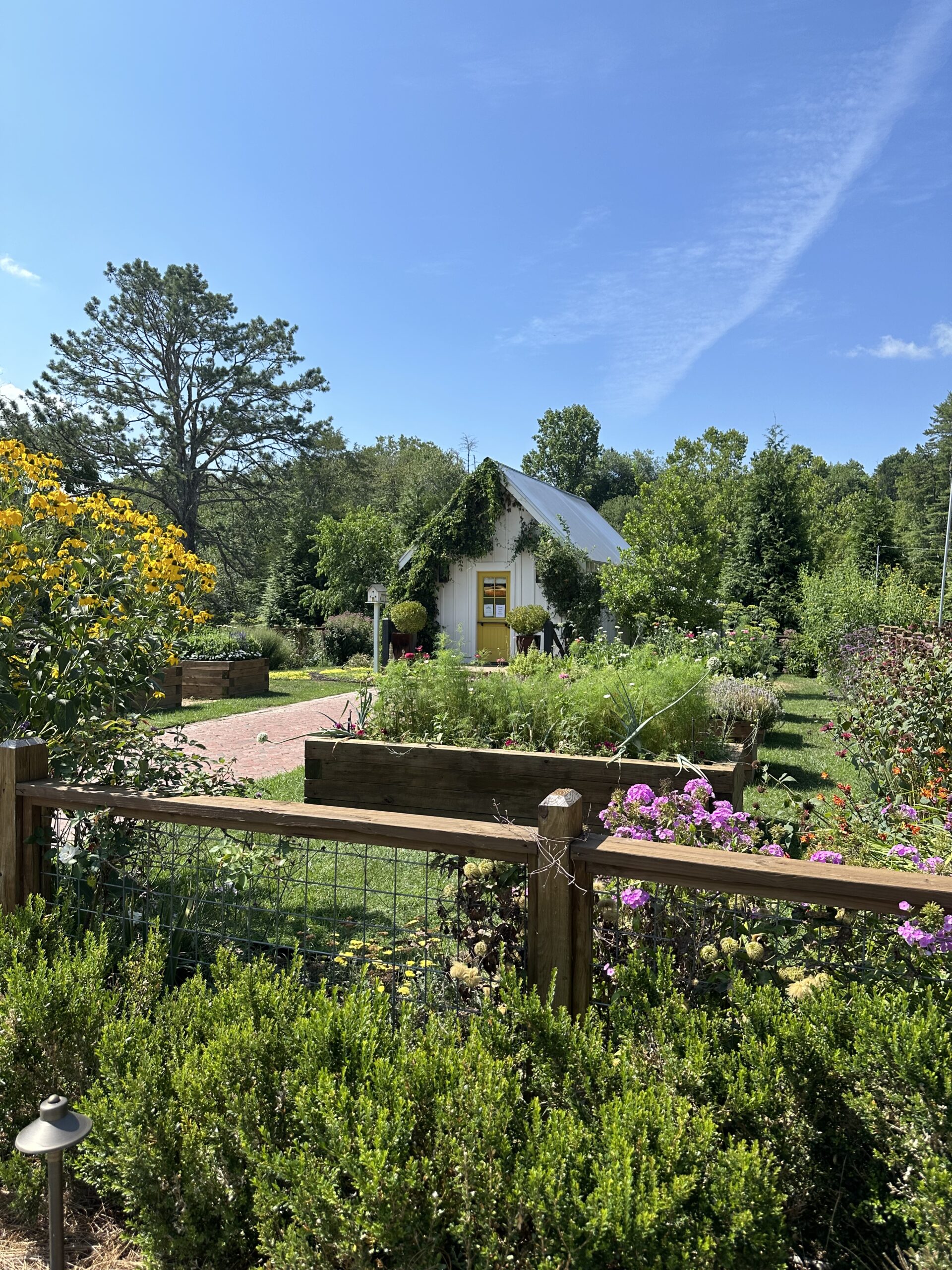
A few years ago, Shawn and I spent a few days in Highlands, North Carolina when we stopped at a small nursery. If you’ve ever been to the mountains of Western North Carolina, and you like the cottage garden look, you’ll be so inspired. Along the roadside you’ll spot blooming black-eyed susans and daisies. Landscapes are full of colorful hydrangeas, mountain laurel, and rhodendrens.
Back to the nursey, after exploring a bit we knew we wanted to bring some of this beauty back to our home in Georgia. We choose a few laurel with vibrant pink blooms, loaded them in the car, and away we went.
The next spring, they were absolutely beautiful. They were covered in deep pink blooms and just the sight of them made me smile.
By the end of summer, they were gone. Gone as in dead. Completely dead.
That was the moment I learned one of the most valuable gardening lessons I know: gardening is sad. Just kidding. My big takeaway was that just because a plant grows beautifully somewhere else doesn’t mean it’ll thrive where you live.
If I could give one piece of advice to someone just starting a garden, it would be this- before you fall in love with a plant, take a minute to find out if it’s a good fit for your climate.
The Simple Thing I Wish I’d Paid Attention To
Before that experience, I had never given much thought to planting zones. Actually, it wasn’t something that even crossed my mind. I assumed that because we lived just a few hours from the mountains, those plants would do just fine in our yard.
I was wrong.
We live in USDA Hardiness Zone 8, while the mountain laurels we bought were much better suited for the cooler conditions of Zone 7. That one-zone difference was enough to make a big impact once our hot Georgia summer arrived.
It was disappointing to lose those plants, but it completely changed the way I shop for my garden.
Now, before I buy anything new, I do a little research to see what the chances are of survival in my zone. And, how much effort do I have to put into it’s survival.
So…What Is a Planting Zone?
A planting zone, or USDA Hardiness Zone, is simply a guide based on the average winter temperatures where you live. It helps you know which plants are most likely to survive and thrive in your climate.
It’s not a guarantee that every plant will flourish, but it’s one of the easiest ways to make better decisions before you choose your plants.
It’s Changed the Way I Garden
Learning our planting zone hasn’t just helped me choose new plants. It’s also helped me take better care of the ones we already have.
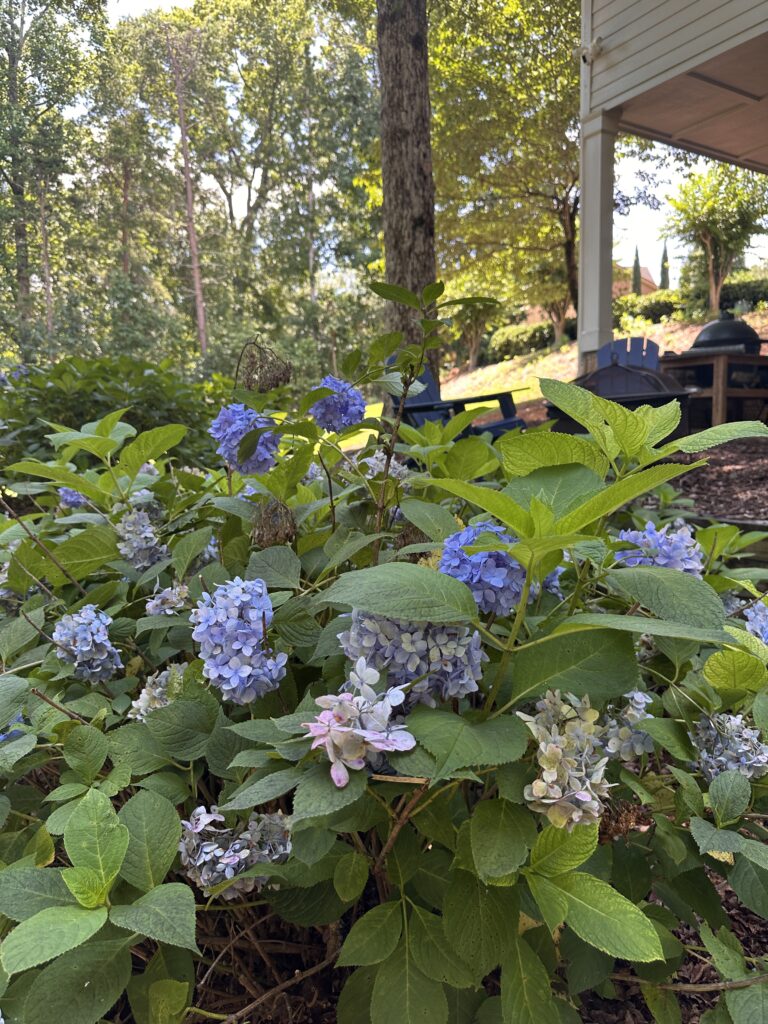
Our hydrangeas are a great example. They were already growing in our yard when we moved in, and they’ve become some of my favorite plants. Because our winters are relatively mild, they often begin leafing out earlier than I expect. Now I keep a closer eye on the forecast in early spring so I can protect that tender new growth if a late cold snap is headed our way.
It’s a small adjustment, but it’s one of those little things that comes with getting to know your own garden a little better.

Why It Matters
If you’re just getting started with gardening, knowing your planting zone can save you a lot of trial and error.
It helps you choose plants that have a much better chance of thriving in your yard instead of simply surviving for a season or two. It can also help you decide when to plant, what to expect throughout the year, and how to care for your garden as the seasons change.
Most importantly, it gives you a little more confidence.
Gardening already comes with enough variables. Knowing your planting zone removes one of the biggest guessing games and makes it easier to choose plants that are well suited for your space.
How to Find Your Planting Zone
The good news is that finding your planting zone only takes a minute. The USDA has an online Plant Hardiness Zone Map where you can enter your zip code and instantly find your zone.
If you’re just starting your gardening journey, learning your planting zone is a simple step.
One Lesson I’ll Never Forget
Looking back, I don’t regret buying those mountain laurels because they taught me something important. I always make sure that anything I plant will be happy growing here.
And if my dead mountain laurel story, helps any other aspiring gardener out, then I guess the sacrifice was worth it. But I sure do miss them!