Creating a Cottage Garden: What I’ve Learned So Far
A few years ago, if you had asked me to define a cottage garden, I probably would have said something vague about flowers, charm, and a little bit of whimsy.
What I really meant was this:
I wanted pretty flowers that felt a little wild.
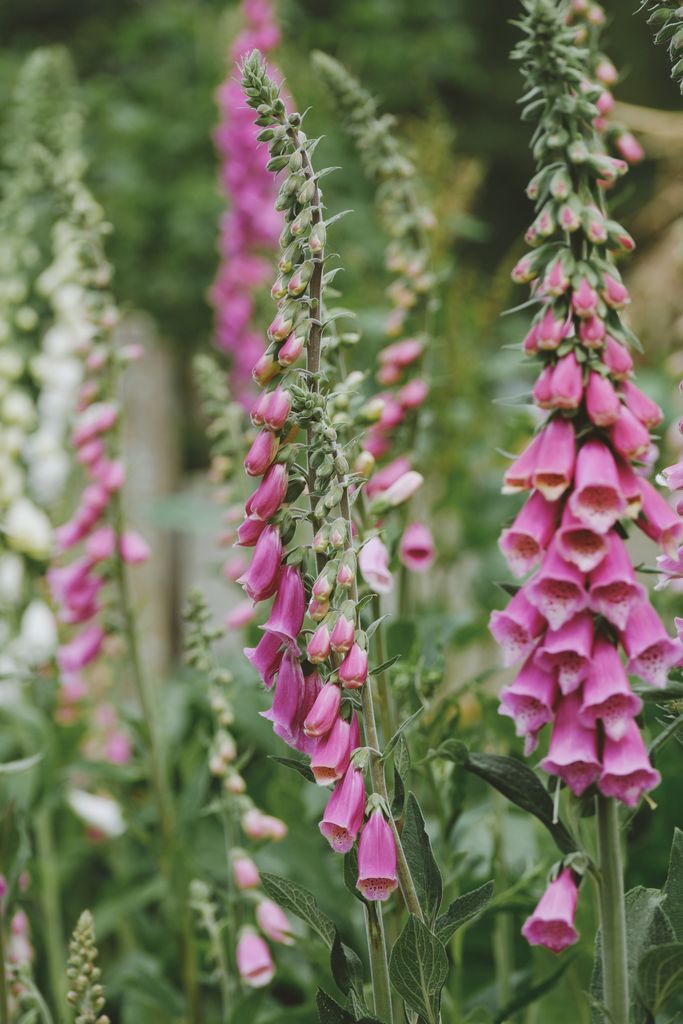
I pictured flowers spilling over pathways, herbs tucked between perennials, butterflies moving through the garden, and flower beds that looked relaxed instead of perfectly maintained.
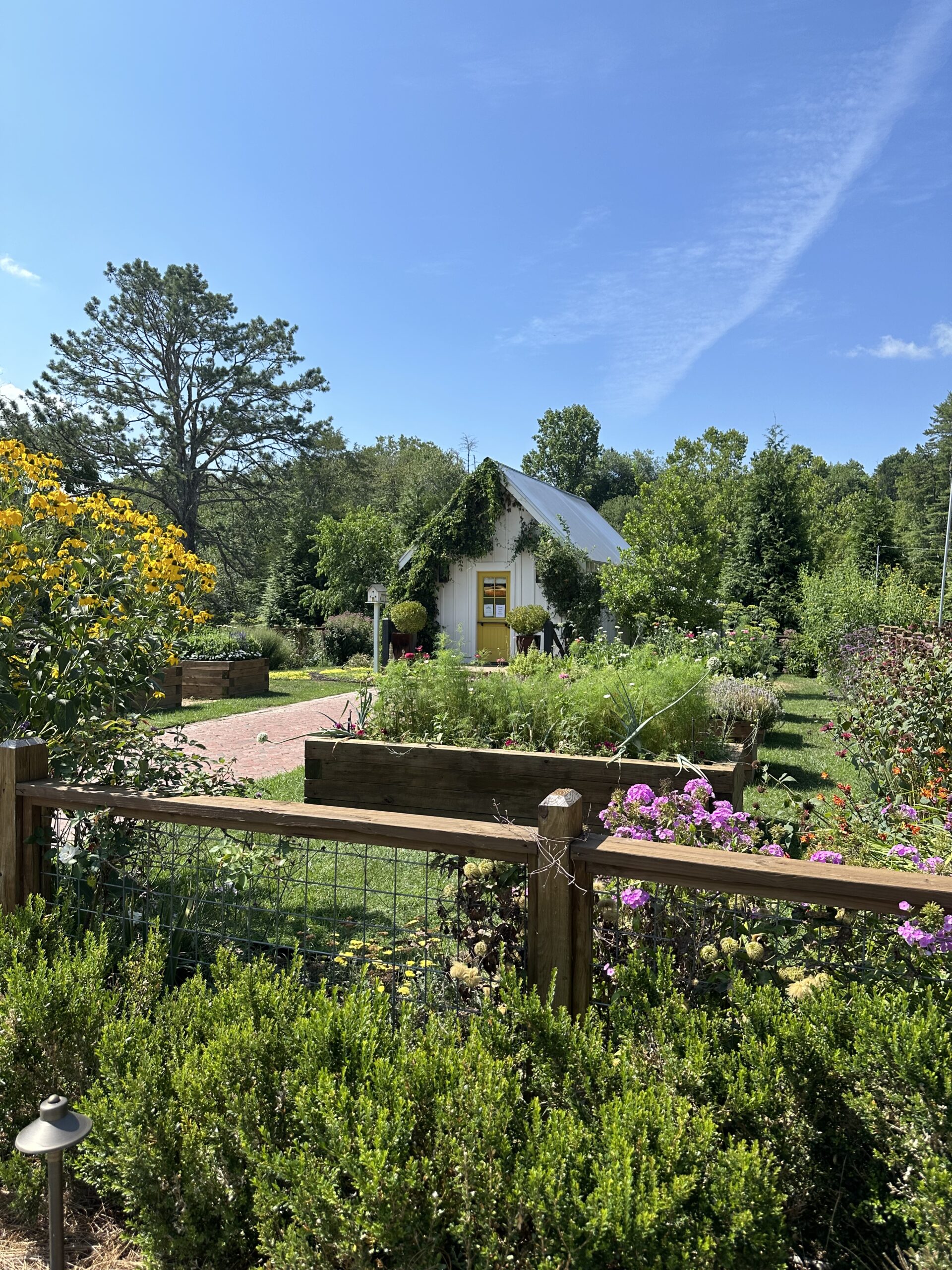
Basically, I wanted the garden to look like it had been there forever—even though I was starting from scratch. I had lots of inspiration from Pinterest and a recent visit to Julep Farms. I was ready to put it all together!
What I didn’t realize was that even the most effortless-looking cottage gardens have a little planning behind them.
I’m still learning, still moving plants around, and still figuring out what actually thrives in our Georgia climate. But I’ve learned a few things along the way that have made creating a cottage garden feel much less overwhelming.
Start Smaller Than You Think
This may be the gardening lesson I have to learn over and over.
Don’t try to transform your entire yard in one season. I’ll be honest, this is so so hard for me.
It’s tempting to look at pictures of mature cottage gardens and immediately start imagining what you could do with every empty corner of your yard.
I’ve been there.
Instead, pick one area.
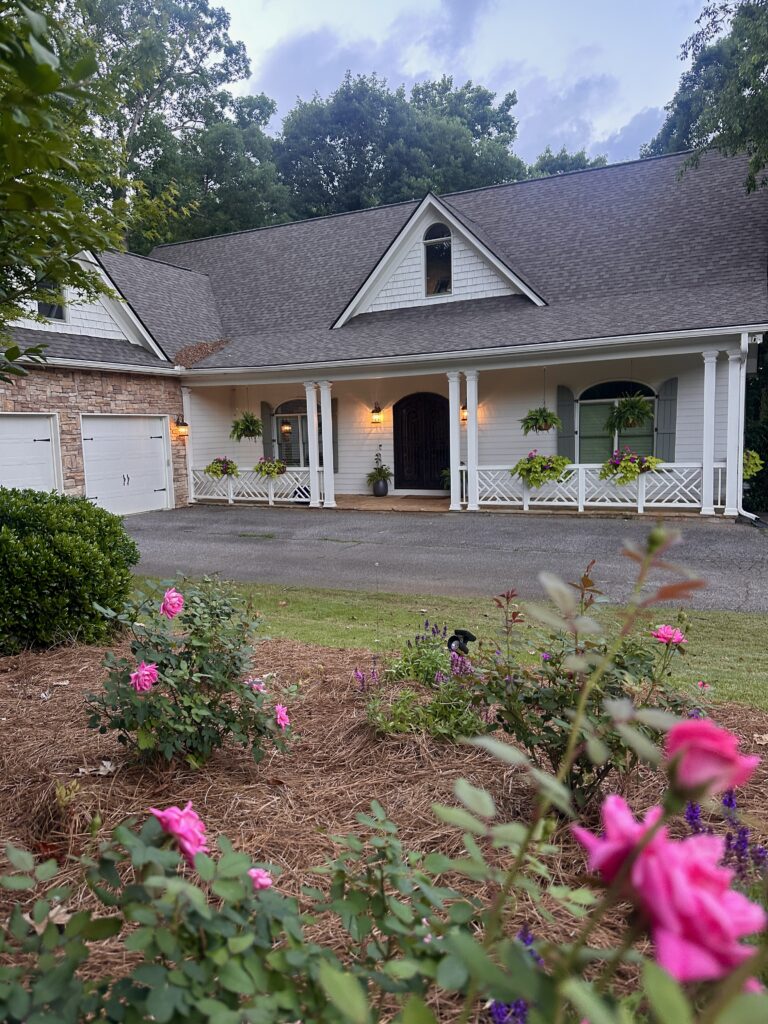
Maybe it’s a flower bed near the porch. A space along a walkway. Or a corner of the yard that could use a little attention.
Start there.
Gardens take time to fill in, and I think that’s something that’s easy to forget when you’re looking at pictures of gardens that have been growing for years.
Your garden doesn’t need to look finished right away.
Mine certainly doesn’t.

Think in Layers
When I first started planting, I approached a flower bed the same way I approach decorating a shelf.
I picked plants I loved and tried to find somewhere to put them.
That worked about as well in the garden as it would on a bookshelf.
I’ve learned that it helps to think about layers first.
Taller plants in the back, medium-height plants in the middle, and lower-growing plants toward the front.
It gives the garden some depth and helps everything feel fuller once the plants start growing.
And thankfully, it doesn’t have to be exact.
A little overlapping is part of what I like about a cottage garden in the first place.
Plant More Than One
One of my early mistakes was buying one of everything.
One lavender.
One salvia.
One coneflower.
One yarrow.
Before long, my flower bed looked more like a plant collection than a garden.
I’ve learned that repeating plants makes a much bigger impact. Instead of planting one of a particular flower, try planting three, five, or even seven together.
A group of lavender or a cluster of coneflowers looks fuller and more intentional without requiring a lot of different plants.
And it makes buying plants a lot easier. You don’t have to find twenty different things you love. Find a few favorites and repeat them.

Mix Flowers and Herbs
This is one of my favorite things about cottage gardens.
Flowers and herbs can share the same space.
Some of the herbs I’ve enjoyed growing include:
- Rosemary
- Thyme
- Chives
- Basil
- Oregano
They aren’t just useful in the kitchen. They add texture and fragrance to the garden, too.
And I like that a cottage garden doesn’t have to be made up entirely of flowers. A little of this, a little of that—it all works.
Choose Plants That Actually Like Your Yard
This one seems obvious, but it took me a while to really pay attention to it.
I can fall in love with a plant at the garden center pretty quickly. That doesn’t mean the plant is going to love my garden.
I’ve learned to pay much more attention to sunlight, soil, moisture, and what tends to do well in our Georgia climate. And deer- I always have to think about plants that tend to be more deer resistant… although they seem to enjoy almost everything.
A few plants I’ve had good luck with include:
- Salvia
- Catmint
- Daylilies
- Black-eyed Susans
- Zinnias
Some have been more reliable than others, but that’s part of gardening.
You try things.
Some work. Some don’t.
Then you plant something else.
Add a Little Structure
This is probably the part that surprised me most about cottage gardens.
For a garden that’s supposed to feel relaxed, a little structure actually helps.
A simple trellis, obelisk, birdbath, bench, or pathway gives the garden some definition.
It also gives your eye somewhere to land when everything else is growing and filling in.
I don’t want everything in my garden to be perfectly straight or symmetrical. But I have learned that a few intentional elements keep the whole thing from feeling chaotic.

The Garden Doesn’t Have to Be Perfect
I think this is why I keep coming back to the cottage garden look.
It gives me a little room to experiment.
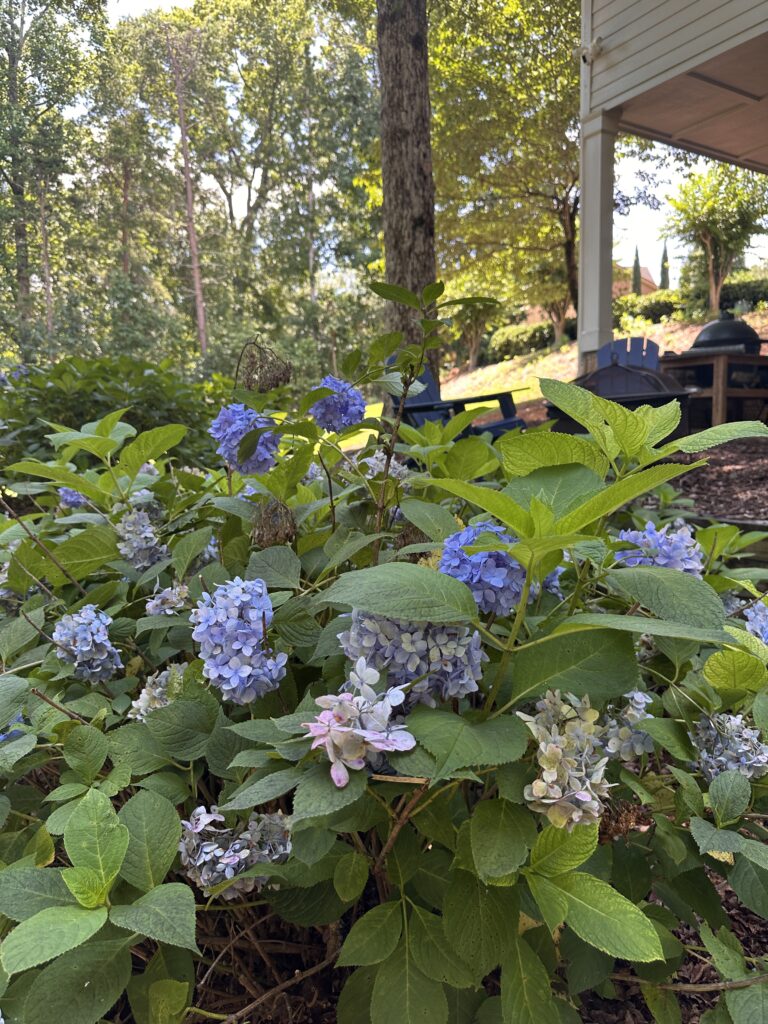
I don’t need perfectly spaced plants or perfectly straight lines. I don’t need to know the name of every plant at the garden center. And I certainly don’t need to get everything right the first time.
I just need to start.
Plant a few flowers. Add some herbs.
Pay attention to what grows well. Move things around when they don’t.
Then do it again next season.
That’s pretty much what I’m doing here.
My garden doesn’t look like the cottage gardens I save on Pinterest—not yet, anyway.
But it’s slowly, but surely coming together one season at a time.